
By Jennifer Fletcher I’m a big fan of home improvement shows: This Old House, Love It or List It, Good Bones–you name it, I’ve probably watched it. But my new favorite show is causing me to rethink the whole home makeover formula. Recently, I’ve been watching Cheap Irish Homes. This is the house hunting showContinue reading “Let Chaos Come”
Category Archives: Cultivating Expert Learners
The Danger of Shortcuts

By Jennifer Fletcher I had a revelation the other morning while feeding coins into one of our university’s parking meters: Shortcuts keep you stuck in survivor mode. You might be wondering why, in 2024, I’m paying for parking with loose change. “Isn’t there an app for that?” you might justifiably ask. Or better yet, youContinue reading “The Danger of Shortcuts”
Why I’m Not Losing Sleep Over AI

By Jennifer Fletcher The tweets, emails, and articles I’ve read the past few weeks in response to the launch of ChatGPT, the artificial intelligence chatbot that generates readable prose in response to almost any writing prompt, seemingly should have me tossing and turning in my bed. Educators have warned about a tsunami of plagiarism andContinue reading “Why I’m Not Losing Sleep Over AI”
Developing Students’ Genre Awareness

By Jennifer Fletcher The first time I used an emoticon in a work email it just felt wrong. Years of being told to follow the “rules” of business communications—no exclamation points, nothing cutesy or personal—made that little smiley face seem like an act of rebellion. But I was far from being a rebel. The slang,Continue reading “Developing Students’ Genre Awareness”
Understanding “Theme” as Paraphrase
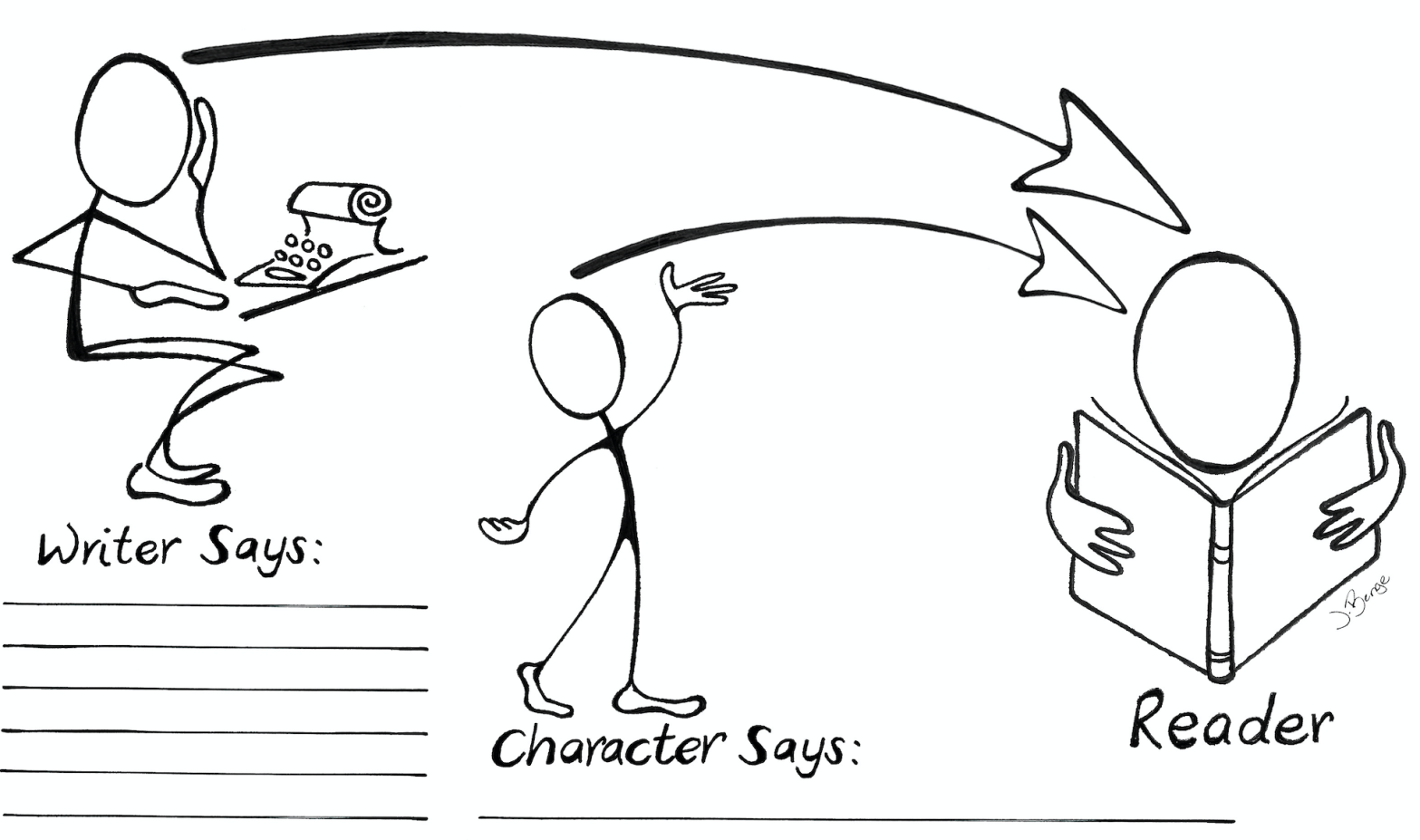
By Jennifer Fletcher Getting the “They Say” right of an academic conversation (see Graff and Birkenstein’s perennially popular book “They Say, I Say“) starts with a willingness to understand a text on its own terms. This involves listening for the questions a text asks and answers and not just mapping a familiar idea or “universal”Continue reading “Understanding “Theme” as Paraphrase”
Working the Problem: Rhetorical Thinking and the Design Process

By Jennifer Fletcher NOTE: This post first appeared on the Stenhouse Blog. What do you do when you don’t know what to do? This question has become a guiding line of inquiry in my work as a teacher these days. For both me and my students, the ability to respond effectively to novel challenges hasContinue reading “Working the Problem: Rhetorical Thinking and the Design Process”
Scaffolding for Independence (and Avoiding Acronym Overload)

Scaffolds are temporary structures intended to support and extend learning and move novices toward mastery. Effective scaffolds don’t substitute a simpler task for a more complex one; they support students in developing the procedural and conceptual knowledge that enables them to grapple with complexity. Over-scaffolding, on the other hand, undermines students’ autonomy by telling studentsContinue reading “Scaffolding for Independence (and Avoiding Acronym Overload)”
 Rhetorical Thinking